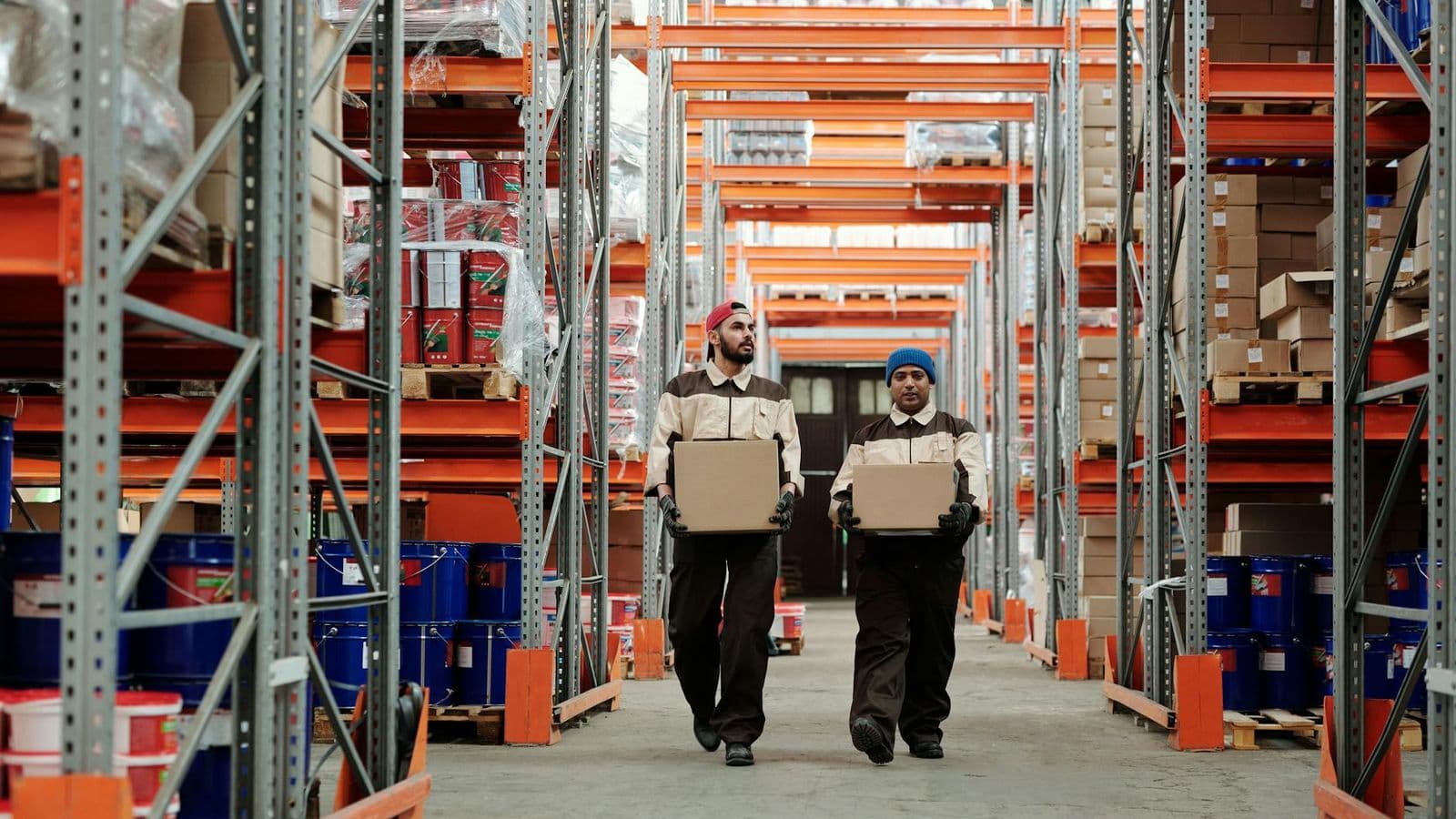
If you're a foreign worker hoping to land a packing or warehouse job in Australia with an employer footing the bill for your visa, you deserve a straight answer before you spend money or trust a recruiter: in 2026, general packing jobs almost never come with visa sponsorship. Australia's main employer-sponsored work visa now requires a salary of at least AUD $76,515 and an occupation on an official skilled list — neither of which a packing role meets. The only routes that genuinely cover low-skilled food-processing and packing work are nationality-restricted (the PALM scheme and the Working Holiday visa), and they exclude most applicants, including Nigerians and many other nationalities. This guide tells you the truth, shows you the routes that actually work, and helps you avoid the scams that thrive on this exact search.
Why This Honest Guide Matters More Than the Hype
Type "packing jobs in Australia with visa sponsorship" into Google and you'll find dozens of glossy articles promising easy relocation, no experience required, and generous sponsorship from big-name companies. The demand behind those searches is real and deeply human — people want a better life, higher wages, and a fresh start in a country with a strong economy and an enviable lifestyle.
But here's the problem: most of those articles are selling a version of Australia's immigration system that no longer exists — if it ever did. And in this niche, false hope isn't harmless. It's the precise raw material that visa scammers use to charge desperate, hopeful people thousands of dollars for "sponsorship" that was never possible.
This guide takes the opposite path. Instead of telling you what you want to hear, it explains exactly how sponsorship works in 2026, why packing jobs fall outside it for most people, and — crucially — which legal routes do exist. That honesty is the most useful thing anyone can offer you, because a realistic plan beats a comforting myth every time.
How Australian Work Sponsorship Actually Works in 2026
To understand why packing jobs rarely qualify, you need to understand the system that replaced the old one.
In December 2024, Australia retired the long-running Temporary Skill Shortage (TSS) visa and introduced the Skills in Demand (SID) visa, subclass 482. At the same time, it scrapped the old patchwork of occupation lists and consolidated them into a single Core Skills Occupation List (CSOL) of around 456 occupations. The system is now built around three streams:
- Specialist Skills stream — for high earners (above roughly AUD $141,210), aimed at top-tier professionals.
- Core Skills stream — the main route, for occupations on the CSOL paid above the Core Skills Income Threshold.
- Essential Skills stream — a newer, tightly controlled pathway for lower-paid but critical roles, managed largely through formal Labour Agreements and concentrated in sectors like aged care.
Two things define whether a job can be sponsored: the occupation must be on the relevant list, and the salary must clear the threshold. For the Core Skills stream, that threshold rose to AUD $76,515 and is indexed upward every July. Employers must also pay the genuine market rate for the role on top of meeting the floor.
This is where packing jobs hit a wall.
The Reality Check: Do Packing Jobs Qualify for Sponsorship?
Let's answer the question your search actually asks, plainly.
General packing, picking, and warehouse roles: No. These are classified as low-skilled, they don't appear on the Core Skills Occupation List, and they pay nowhere near the AUD $76,515 floor required for the main employer-sponsored visa. An Australian employer cannot lawfully sponsor you for a role that fails both the occupation and salary tests — regardless of how badly they need staff or how much they'd like to help.
To see how wide the gap is, look at the numbers side by side:
| Typical role | Realistic annual pay (AUD) | Core Skills sponsorship floor (AUD) | Sponsorable on the main work visa? |
|---|---|---|---|
| Food-factory packer | ~$50,000 – $60,000 | $76,515 | No — below threshold and not on the CSOL |
| Warehouse operative | ~$55,000 – $65,000 | $76,515 | No |
| Pick-packer / order assembler | ~$50,000 – $62,000 | $76,515 | No |
| Warehouse/logistics supervisor | ~$70,000 – $90,000 | $76,515 | Possibly, if the role is on the CSOL and clears the floor |
The pattern is unmistakable: typical packing pay sits well below the sponsorship floor, and the work sits below the skill bar. Anyone telling you in 2026 that a $55,000 packing job comes with employer visa sponsorship is either working from outdated rules or running a scam.
The Routes That Do Cover Packing and Low-Skilled Work (And Who Can Use Them)
There are exactly two legal pathways that genuinely cover low-skilled food-processing and packing-type work in Australia. The catch is that both are gated by nationality and circumstance.
1. The PALM scheme (Pacific Island and Timor-Leste citizens only)
The Pacific Australia Labour Mobility (PALM) scheme is the closest thing to "sponsored packing work" that exists. It lets approved Australian employers hire workers for seasonal (up to nine months) and longer-term (up to four years) roles in agriculture and select agriculture-related food-product manufacturing — which includes a lot of packing and processing work.
But PALM is a government-to-government program managed for foreign-policy reasons, and it is reserved strictly for citizens of nine Pacific Island countries plus Timor-Leste. If you don't hold one of those passports, you cannot use it — full stop. For the large Nigerian, Indian, Filipino, and other audiences searching this topic, PALM is simply not available.
2. The Working Holiday visa (eligible nationalities, age-limited)
Australia's Working Holiday Maker program (subclasses 417 and 462) lets young people do short-term work — including fruit picking, farm labour, and food packing — for up to 12 months, often extendable to a second or third year if you complete specified regional work.
This is the route most "packing jobs in Australia" articles are quietly describing without saying so. But it has two hard limits. First, it's age-restricted (generally 18–30, or up to 35 for some nationalities). Second, and decisively, it's only open to citizens of countries that have a bilateral agreement with Australia — and those are overwhelmingly developed nations. Nigeria does not have such an agreement, and neither do many of the countries whose citizens search this term most. If your passport isn't on Australia's Working Holiday list, this door is closed regardless of your skills or willingness to work.
The honest summary
If you hold a Pacific Island or Timor-Leste passport, PALM is a genuine, legal route worth pursuing. If you're young and hold a passport from an eligible Working Holiday country, that visa can put you in packing or farm work legally. For everyone else — including most readers of this guide — sponsored packing work in Australia is not an available pathway. Knowing that now saves you money, time, and heartbreak.
The Routes That Actually Work for Most Foreign Workers
So what can you do if Australia is your goal? Plenty — just not through packing. These are the legitimate pathways open to skilled applicants regardless of nationality.
Employer-sponsored skilled work (Skills in Demand, subclass 482)
If your occupation is on the Core Skills Occupation List and an employer will pay you above AUD $76,515, this is the main sponsored route — and it can lead to permanent residency via the Employer Nomination Scheme (subclass 186). High-demand fields include healthcare, engineering, IT, construction trades, and teaching. The key move is to match your skills to a listed occupation rather than chasing roles that can't be sponsored.
Points-tested skilled migration (no employer needed)
Australia's General Skilled Migration program lets qualified people apply for permanent or provisional visas based on a points test, without an employer sponsor:
- Skilled Independent visa (subclass 189) — permanent, no sponsor required.
- Skilled Nominated visa (subclass 190) — requires a state or territory nomination.
- Skilled Work Regional visa (subclass 491) — provisional, with extra points for regional nomination and a pathway to PR after three years.
You submit an Expression of Interest through SkillSelect, and if your points and occupation match demand, you're invited to apply. For many skilled foreign workers, this is the most realistic long-term route — and it doesn't depend on finding a sponsor at all.
Aged care and the Essential Skills pathway
Australia's ageing population has created sustained demand in aged care, and the new Essential Skills pathway (managed largely through Labour Agreements) has created a more permanent home for lower-paid but critical care roles. If you're open to care work, this is a far more realistic door than packing — and it's expanding rather than shrinking.
Study-to-work pathways
Studying in Australia can lead to a Temporary Graduate visa and, eventually, skilled migration. It's a longer and more expensive game, but it's a genuine, legal pathway that many successful migrants have used.
How to Find Genuine Sponsorship Jobs (And Spot the Fakes)
If you pursue a route that does allow sponsorship, here's how to do it safely.
Where to look:
- The official Australian Government job board (Workforce Australia) and the Department of Home Affairs website.
- Employers approved as sponsors — verify the employer's standing before engaging.
- Company career pages directly, and reputable platforms like LinkedIn and SEEK.
- For PALM specifically, only approved PALM employers, arranged through the official scheme.
The non-negotiable safety rules:
- Never pay an employer for sponsorship or a job offer. This is the single most important sentence in this guide. Legitimate Australian employers do not charge workers for sponsorship. Any request for payment to "secure" a job or visa is a scam.
- Distrust "guaranteed visa," "100% sponsorship," and "immediate start" promises. No one can guarantee an Australian visa, and genuine sponsored relocation is never instant.
- Be suspicious of anyone quoting old rules. If a recruiter or article says packing jobs are freely sponsored, or cites pre-2024 visa names like "TSS," treat everything else they say as unreliable.
- Use only registered migration agents. Migration advice in Australia is regulated — verify any agent on the official MARA register, or use an immigration lawyer.
Common Mistakes That Cost Foreign Workers Money and Time
- Believing the packing-job myth. Effort spent chasing sponsored packing roles is, for most nationalities, effort wasted.
- Paying agents for "sponsorship." The number-one way hopeful applicants lose money to fraud.
- Assuming PALM or Working Holiday is open to them. Both are nationality-gated; check your passport's eligibility first.
- Targeting roles that aren't on the CSOL. Always confirm your occupation is listed before assuming it can be sponsored.
- Forgetting the salary floor. Even a listed occupation must clear AUD $76,515 (indexed annually) and the market rate.
- Trusting outdated guides. The system changed substantially in December 2024 — older articles are actively misleading.
Required Documents (For Routes That Genuinely Apply to You)
If you qualify for a skilled or sponsored route, you'll typically need:
- A valid passport
- A skills assessment from the relevant assessing authority for your occupation
- Evidence of English language ability (test results, unless exempt)
- Qualifications and employment references
- A nomination/sponsorship from an approved employer (for employer-sponsored routes)
- Health examination results and a police clearance certificate
- Proof of funds, where required
Exact requirements vary by visa subclass — always check the specific checklist on the Department of Home Affairs website for your route.
Realistic Costs and Timelines
Costs and processing times depend heavily on the visa, so treat any single figure with caution. Employer-sponsored and skilled visa application charges run into the thousands of Australian dollars, with additional costs for skills assessments, English tests, health checks, and police certificates. Skilled migration processing commonly takes several months and can stretch longer depending on the subclass and demand.
A few honest framing notes, in line with reality rather than hype:
- Processing times vary and depend on your circumstances.
- Approval depends on eligibility — never on a recruiter's promise.
- Many Australian employers do actively recruit skilled international workers — but in skilled occupations, not in general packing.
Because visa charges are indexed and typically rise each 1 July, always confirm current fees on the official government site before budgeting.
What This Means for Your Plan
If your real goal is to live and work in Australia legally, the smartest thing you can do is stop searching for sponsored packing jobs and start matching your skills to a route that exists. For most people that means one of three things: a skilled occupation on the CSOL (sponsored or points-tested), aged care via the Essential Skills pathway, or a study-to-migration plan. If you hold a Pacific or Timor-Leste passport, PALM is a genuine option. If you're young and from an eligible country, the Working Holiday visa can work.
The myth costs you money. The realistic plan gets you there.
What to Do Next
- Check your passport's eligibility for the Working Holiday program and confirm whether PALM applies to you — this takes minutes and rules routes in or out immediately.
- Match your skills to the Core Skills Occupation List if you're skilled; this determines whether sponsorship or points-tested migration is realistic.
- Consider aged care if you're open to it — it's one of the few expanding, accessible sectors.
- Verify every employer and agent against official registers, and never pay for a job or sponsorship.
- Get advice from a MARA-registered agent before paying any visa charge.
Frequently Asked Questions
1. Can foreign workers get packing jobs in Australia with visa sponsorship in 2026? For most nationalities, no. General packing roles are low-skilled, aren't on the Core Skills Occupation List, and pay below the AUD $76,515 sponsorship floor, so the main employer-sponsored visa doesn't cover them. The only routes that include packing-type work — the PALM scheme and the Working Holiday visa — are restricted by nationality.
2. Why don't packing jobs qualify for sponsorship? Two reasons at once: the occupation isn't on the official skilled list, and the salary falls below the threshold required for employer sponsorship. A visa can only be sponsored if both tests are met.
3. What is the PALM scheme and who can use it? The Pacific Australia Labour Mobility scheme lets approved employers hire workers for agriculture and some food-processing roles, including packing. It is reserved strictly for citizens of nine Pacific Island countries and Timor-Leste — no other nationalities are eligible.
4. Can Nigerians get sponsored packing jobs in Australia? Not through any current route. Nigeria isn't part of the PALM scheme and doesn't have a Working Holiday agreement with Australia, and packing work doesn't qualify for skilled sponsorship. Skilled migration in a listed occupation, or aged care, are the realistic alternatives.
5. Is the Working Holiday visa an option for packing work? Yes — but only if you're a citizen of an eligible country with a bilateral agreement and within the age limit (generally 18–30, up to 35 for some nationalities). It allows short-term farm and packing work, sometimes extendable with regional work.
6. What jobs in Australia actually offer visa sponsorship? Skilled occupations on the Core Skills Occupation List — commonly in healthcare, engineering, IT, construction trades, and teaching — paid above the income threshold. Aged care is accessible through the Essential Skills pathway.
7. Can sponsored or skilled work lead to permanent residency? Yes. Employer-sponsored skilled roles can lead to PR via the Employer Nomination Scheme (subclass 186), and points-tested skilled visas (189/190/491) offer permanent or provisional pathways. PALM and Working Holiday visas do not lead directly to PR.
8. How can I tell if a packing-job offer is a scam? Major red flags: a request to pay for the job or sponsorship, "guaranteed visa" or "immediate start" language, an employer that isn't a registered sponsor, and quoted rules that match the old (pre-December 2024) system.
9. Do I need an English test? Most skilled and sponsored visas require proof of English ability unless you're exempt. Requirements vary by visa, so check the specific subclass on the Department of Home Affairs website.
10. Where should I verify all of this? The Australian Department of Home Affairs (immi.homeaffairs.gov.au) is the authoritative source for visa rules, occupation lists, and fees. For advice, use a MARA-registered migration agent or an immigration lawyer.
Source Australian Department of Home Affairs (immi.homeaffairs.gov.au); the official PALM scheme site; the MARA register of migration agents.
Important disclaimer: This is general information, not migration advice. Australian immigration rules change frequently — salary thresholds are indexed every 1 July, and occupation lists are reviewed regularly. The figures here reflect the position as of May 2026. Always verify the current rules directly with the Australian Department of Home Affairs and, before acting, consult a registered migration agent (check the MARA register) or an immigration lawyer.