There is no special "FIFA World Cup visa" for Canada. If you want to attend the 13 matches Canada is hosting in Toronto and Vancouver between June 11 and July 19, 2026, you enter as an ordinary tourist and must meet Canada's standard entry rules — which means either an electronic Travel Authorization (eTA) if you're from a visa-exempt country flying in (about CAD $7, usually approved fast), or a visitor visa (Temporary Resident Visa, TRV) if you're from a visa-required country (about CAD $100+, and processing can take weeks to months). A match ticket does not guarantee entry — a border officer makes the final call. And here's the urgent honest part: if you need a visitor visa and you haven't applied yet, time may already be against you for the group stage. This guide explains exactly who needs what, how to apply, what border officers look for, and how to avoid the scams swarming this event.
Important disclaimer: This is general information, not immigration advice, and entry rules and processing times change. Figures reflect the position as of late May 2026. Always confirm current requirements on the official Government of Canada FIFA World Cup 26 and visit pages and apply only through canada.ca. For complex cases, consult a licensed Canadian immigration consultant (RCIC) or lawyer.
The World Cup Is Coming to Canada — Here's the Reality Check
For the first time ever, Canada is co-hosting the men's FIFA World Cup, alongside the United States and Mexico. The tournament runs from June 11 to July 19, 2026, across 16 cities in the three nations, with Canada staging 13 matches split between Toronto and Vancouver. For football fans worldwide, it's a once-in-a-lifetime reason to visit.
But before you book flights and chase tickets, you need the unglamorous truth that a lot of excited content online skips: getting to the match is an immigration question, not a football one. Canada has confirmed it will not create any special event visa. Every visitor — fan, family member, or casual tourist — goes through the same entry system that operates year-round. That system is straightforward for some nationalities and genuinely challenging for others, and the difference comes down to your passport.
This guide gives you the honest, current picture so you can plan realistically rather than discover a problem at the airport.
The Single Most Important Fact: There Is No "FIFA Visa"
Let's kill the myth first, because scammers feed on it. Canada has explicitly confirmed there is no dedicated FIFA World Cup visa or event-specific entry pass. Immigration authorities decided to use existing systems rather than build a new one, for consistency, predictability, and security.
What this means for you:
- You enter Canada under the standard tourist regime — visa-free, eTA, or visitor visa — depending on your citizenship and how you travel.
- A FIFA match ticket is not a travel document. You don't need a ticket to apply for an eTA or visa, and holding a ticket does not guarantee you'll be allowed in.
- Anyone offering to sell you a "World Cup visa," a "FIFA fan pass," or "guaranteed entry" is misleading you at best and running a scam at worst.
Once you internalise this, the rest is just figuring out which of the standard routes applies to you.
Which Document Do You Need? eTA vs Visitor Visa
Your entry requirement depends on two things: your citizenship and how you travel (air, land, or water). There are three broad situations.
1. Visa-exempt travellers flying in → eTA
Citizens of many visa-exempt countries (much of Europe, several Commonwealth and Latin American nations, and others) who travel to Canada by air need an electronic Travel Authorization (eTA). It's:
- Cheap — about CAD $7.
- Fast — applications are submitted online in minutes, and approval is often near-instant (occasionally taking up to about 72 hours).
- Linked to your passport electronically.
Apply only at canada.ca — never through a third-party site (more on that in the scams section).
2. Visa-required travellers → Visitor Visa (TRV)
Citizens of visa-required countries — which includes much of Africa, South Asia, parts of the Middle East, and East Asia — need a visitor visa (Temporary Resident Visa, TRV) regardless of how they travel. This is a very different process:
- Costs about CAD $100+ (plus biometrics fees).
- Requires an online application plus biometrics (fingerprints and photo) at a Visa Application Centre (VAC).
- Requires supporting documents: a valid passport, photos, proof of funds, travel itinerary, and often evidence of ties to your home country.
- Processing can take anywhere from a couple of weeks to several months, depending on your country and current demand.
This is the route most readers from visa-required nations — including Nigeria — will face, and the timeline is the crux of the matter.
3. US citizens and US permanent residents
US citizens and, in many cases, US permanent residents are generally exempt from the eTA requirement for visiting Canada. They still need appropriate identification and must meet entry rules, but the document burden is lighter. (Specifics vary, so verify your situation.)
The land/water nuance
If you're travelling to Canada by land or water (for example, crossing from the United States), the document rules differ — visa-exempt travellers don't need an eTA for land/water entry, but visa-required travellers still need a TRV. Check the official tool for your exact situation.
The Honest Timing Warning You Need to Hear
Here's where most cheerful World Cup guides go quiet, and where being straight with you matters most.
The tournament's Canadian matches begin June 11, 2026. Visitor visa (TRV) processing for visa-required nationals can take weeks to months. If you are reading this in late May or June 2026 and you need a TRV that you haven't yet applied for, the uncomfortable reality is that you may not receive it in time for the group-stage matches, and possibly not for the tournament at all.
This isn't meant to discourage you — it's meant to save you from spending money on tickets and flights you can't use. If you're a visa-required national, be brutally realistic:
- If you've already applied and have (or expect) your visa, great — proceed and plan carefully.
- If you haven't applied yet, check current processing times for your country before buying anything non-refundable. A multi-year TRV is still valuable for future visits even if it doesn't arrive before a specific match, but don't gamble money on a timeline that may not work.
- Knockout-stage matches run later (into July), giving slightly more runway — but visa timelines remain the binding constraint, not the fixture list.
The kindest thing any honest guide can tell a visa-required fan right now is: verify your realistic processing time first, then decide. Hope is not a travel document.
The Matches: Where and When in Canada
Canada hosts 13 matches across two cities:
- Toronto — BMO Field. Home of Toronto FC, expanded to hold over 45,000 fans, hosting around 6 matches including group-stage games and knockout-round fixtures. Toronto is Canada's largest city and a major travel hub, with busy airports, strong transit, and a wide range of accommodation.
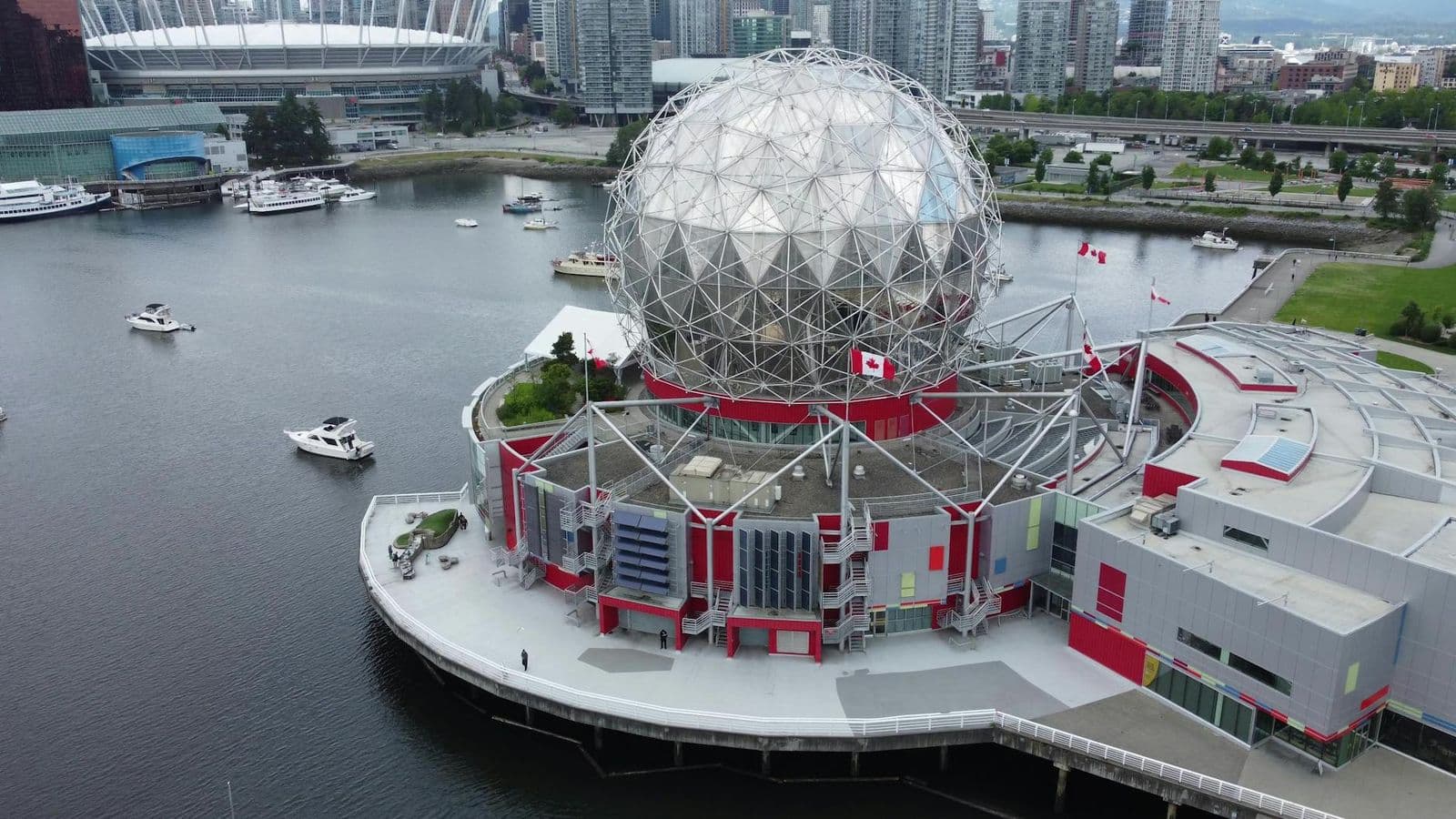
- Vancouver — BC Place. A covered domed stadium (weather-proof for Vancouver's June rain), hosting around 7 matches, taking fans from the group stage through to the quarterfinals. Vancouver offers a compact downtown, excellent transit (SkyTrain stops near the stadium), and easy access to the outdoors.
The Canadian fixtures run throughout the June 11 – July 19 window, including Canada's own group-stage matches and Australia's group games among others. Travelling between the two cities takes roughly five hours by air, so fans hoping to attend matches in both should book flights early and avoid tight connections.
Step-by-Step: How to Get Your Entry Document
- Check what you need. Use the official IRCC tool to confirm whether you need an eTA, a visitor visa, or neither, based on your citizenship and travel mode.
- Verify your passport. Ensure it's valid well beyond your travel dates.
- Apply on canada.ca only.
- eTA: complete the short online form, pay about CAD $7, and wait for approval (often quick).
- Visitor visa: complete the online application, pay the fees, and book a biometrics appointment at a Visa Application Centre.
- Prepare supporting documents (for visa applicants): proof of funds, itinerary, accommodation, and evidence of ties to home.
- Apply as early as possible — IRCC has urged all FIFA-related travellers to apply early and, where relevant, to flag their application as World Cup–related so the department can manage the surge.
- Plan your trip — flights, accommodation, and inter-city travel, ideally only firming up non-refundable bookings once your entry document is secured.
- Arrive prepared — carry your documents, and be ready to answer a border officer's questions honestly.
At the Border: A Ticket Is Not a Guarantee
This deserves emphasis because it surprises people. Even with a valid eTA or visa and a match ticket, the final decision to admit you rests with a border services officer when you arrive in Canada. They confirm you're a genuine temporary visitor who intends to leave at the end of your stay.
To make entry smooth:
- Be honest and consistent about your purpose (attending the World Cup as a tourist) and your plans to return home.
- Carry proof of onward/return travel and accommodation if you have it.
- Don't overstate or fabricate anything — inconsistencies are what cause problems.
Your visa or eTA gets you to the border; your credibility gets you through it.
A Note on Working at the World Cup
Some people want to work the event, not just watch it. Be careful here. Canada introduced a temporary public policy exempting certain FIFA-invited individuals — players, team personnel, referees, match officials, and some FIFA employees, contractors, and subcontractors — from work permit requirements for short-term, event-related work (roughly December 1, 2025 to July 31, 2026). But:
- This exemption is narrow and tied to official FIFA affiliation.
- Even those who are exempt from a work permit may still need an eTA or visitor visa to enter, based on citizenship.
- If you're not directly FIFA-affiliated, you likely still need proper work authorization — and a tourist eTA/visa does not permit you to work.
Don't assume the World Cup is a backdoor to working in Canada. It isn't, for the vast majority of people.
The Scams Targeting World Cup Travellers
Major events attract fraudsters. Protect yourself:
- Fake "eTA" websites. The eTA costs about CAD $7 on canada.ca. Many third-party sites charge $50+ to "help" with an application you can easily do yourself, and some are outright scams. Apply only on the official government site.
- "World Cup visa" or "FIFA fan pass" sellers. These don't exist. Anyone selling one is lying.
- "Guaranteed entry/visa" promises. No one can guarantee a visa or border admission — not even a licensed consultant.
- Job-and-visa bundles. Offers promising World Cup "jobs with visa sponsorship" are a classic trap; see our scams guide for the full pattern.
- Use only licensed help. If you want paid assistance, use a licensed Canadian immigration consultant (RCIC, regulated by the CICC) or a lawyer — not an unregulated "agent."
What to Do Next
- Check your requirement now on the official IRCC tool — eTA, visitor visa, or neither.
- If you need a visitor visa, verify current processing times for your country before booking anything — and be realistic about whether it can arrive in time.
- Apply only on canada.ca (eTA ~$7; visitor visa ~$100+), and flag World Cup–related applications as IRCC requests.
- Secure your document first, then book non-refundable flights, hotels, and tickets.
- Arrive honest and prepared — your eTA/visa gets you to the border; the officer decides admission.
The World Cup is a genuine, thrilling reason to visit Canada in 2026. Just remember the route in is ordinary tourism, not a magic football pass — plan around the real visa timelines, apply only through official channels, and you'll give yourself the best shot at being in the stands.
Frequently Asked Questions
1. Is there a special FIFA World Cup visa for Canada? No. Canada confirmed there is no event-specific visa. Visitors enter under standard tourist rules — visa-free, eTA, or visitor visa — depending on citizenship and travel mode.
2. Do I need an eTA or a visitor visa? It depends on your passport and how you travel. Visa-exempt travellers flying in generally need an eTA (~CAD $7); visa-required nationals need a visitor visa/TRV (~CAD $100+ plus biometrics). US citizens and many US permanent residents are eTA-exempt.
3. Does a match ticket guarantee I can enter Canada? No. A ticket isn't required to apply for entry, and holding one doesn't guarantee admission. A border services officer makes the final decision when you arrive.
4. How long does a Canadian visitor visa take? For visa-required nationals, processing can range from a couple of weeks to several months depending on your country and demand. This is why applying early — and checking current times before booking — is critical.
5. I'm from a visa-required country and haven't applied yet. Can I still make it? Possibly for later (knockout) matches, but for group-stage games beginning June 11 the timeline may be too tight. Check your country's current processing time before spending money on tickets or flights.
6. Where do I apply, and how much does it cost? Apply only on the official canada.ca site. An eTA is about CAD $7; a visitor visa is about CAD $100+ plus biometrics. Avoid third-party sites that overcharge for the eTA.
7. Which cities and how many matches is Canada hosting? Canada hosts 13 matches: around 6 in Toronto (BMO Field) and around 7 in Vancouver (BC Place), between June 11 and July 19, 2026.
8. Can I work at the World Cup on a tourist eTA or visa? No. A tourist eTA/visa doesn't permit work. A narrow temporary policy exempts certain FIFA-invited personnel from work permits, but most people need proper work authorisation to work.
9. How do I avoid World Cup visa scams? Apply only on canada.ca; ignore anyone selling a "FIFA visa," "fan pass," or "guaranteed entry"; never pay $50+ for the $7 eTA; and use only licensed RCICs or lawyers for paid help.
10. Should I book my trip before getting my visa? Secure your entry document first, then book non-refundable flights, accommodation, and tickets — especially if you're a visa-required national facing uncertain processing times.